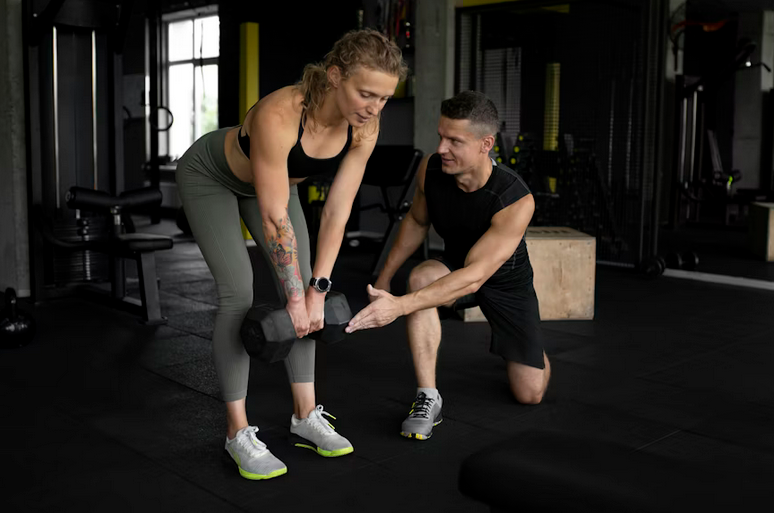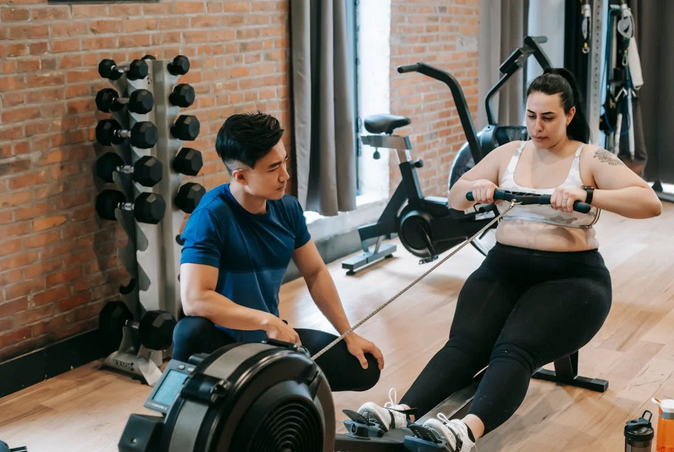
Daily Micro-Movements That Reduce Body Pain Without Formal Workouts

stretching

Many people want relief from body pain but feel intimidated by long workouts or strict routines. The good news is that meaningful improvement does not always require a gym membership or complicated exercises. Small actions made throughout the day can support mobility and comfort. These micro-movements are easy to adopt. They help the body stay active in natural ways. They also reduce stiffness and promote better circulation. If you read more, you can learn more about it. With simple adjustments, you can create a routine that fits seamlessly into daily life. Over time, these habits build a foundation that supports long-term comfort and wellness.

Why Small Movements Matter

The body responds positively to frequent motion. When you move a little throughout the day, you reduce pressure on your muscles. You also avoid the tightness that comes from staying still too long. These gentle actions help maintain circulation. This prevents fatigue and supports flexibility. Even small motions send signals to the nervous system that keep the body alert and responsive. This contributes to less pain. The goal is not intensity. It is consistency. With this approach, you ensure that your body remains active in ways that feel manageable and natural.

Understanding Micro-Movements

Micro-movements are small, gentle motions performed regularly. They do not replace full workouts, but they complement them well. These actions help target the muscles and joints that become stiff from sitting or standing too long. They are practical for people who have busy schedules. You can perform them in seconds. They also require no equipment. A unique benefit of micro-movements is how adaptable they are. Whether you are at home, work, or traveling, you can integrate them without disruption. This consistency encourages better posture and greater body awareness.

Reducing Stiffness During Work Hours

stretch

Many people experience aches during work. Sitting or standing in one position for long periods encourages tension. Micro-movements can solve this. A simple stretch of the neck, gentle shoulder rolls, or shifting weight between your feet support comfort. These actions take seconds yet bring measurable relief. They also make you more aware of your posture. Small adjustments prevent strain from building. This helps reduce discomfort at the end of the day. It also encourages healthier habits that support long-term mobility.

Supporting Joint Mobility at Home

Home environments offer many opportunities for micro-movements. Reaching for items, bending slowly, or rotating your wrists and ankles can ease tension. Light stretching during chores helps the body stay loose. Standing up and sitting down with intention can strengthen weaker muscles. These moments may seem small, but they create positive patterns. Even walking around during phone calls makes a difference. With time, these habits become natural. They protect the joints and encourage balanced muscle use. This leads to greater comfort and less strain.

Improving Posture Throughout the Day

Poor posture is one of the most common causes of body pain. Micro-movements help address this issue gradually. A small shift in shoulder position or a gentle lift through the spine can reset alignment. Doing this multiple times each day prevents slouching. It also reduces pressure in the back and neck. The utmost benefit comes from repetition. Each adjustment reinforces healthy positioning. This makes good posture easier to maintain without force. Over time, these tiny corrections lead to better stability and reduced discomfort.

Promoting Relaxation Through Gentle Motion

man

Stress and tension often contribute to body pain. Micro-movements support relaxation by encouraging slow, mindful motion. Small stretches release tight muscles. Gentle rotations calm the body. These actions remind you to breathe more deeply. This supports the nervous system. When the body relaxes, pain levels often decrease. These motions also make it easier to unwind after busy days. You can perform them before bed to improve comfort and sleep quality. They are simple, effective, and easy to maintain.

Micro-movements become powerful when they are repeated consistently. Start small. Add a few motions each day. Increase them gradually as they become more natural. The idea is not to overwhelm yourself. The goal is to support your body with simple habits. These small steps improve comfort. They also help prevent long-term strain. With time, they become part of your daily rhythm. This creates a sustainable routine that nurtures your well-being. You will notice better flexibility, less pain, and more confidence in your movements.

Why Human Connection Might Be the Most Underrated Health Habit

unite

In a world driven by technology and constant busyness, the value of genuine human connection is often overlooked. Yet, meaningful relationships can have a profound impact on physical and emotional health, lowering stress and boosting longevity. Insights from this post about the joys of growing older remind us that companionship and empathy are as vital as diet and exercise for overall well-being. Taking time to nurture friendships, share laughter, and offer support creates a sense of belonging that strengthens both body and mind, making connection one of the most powerful health habits of all.

The Science Behind Social Health

people Human beings are wired for connection. From birth, social bonds shape our development, regulate emotions, and influence how the brain functions. When we connect with others, the body releases oxytocin, often called the bonding hormone, which helps lower stress levels and promotes feelings of safety. Conversely, isolation can lead to increased inflammation, weakened immune response, and even higher risks of chronic illness. The science is clear: emotional disconnection can be just as harmful as a poor diet or lack of exercise.



Meaningful communication also sharpens cognitive function. Engaging in conversations or shared experiences challenges the brain to think, recall, and adapt. This mental stimulation helps preserve memory and focus as we age. Social activity, whether through teamwork, friendship, or community service, keeps both the mind and the body engaged, proving that a strong heart often beats within a strong network of people.

Emotional Support and Mental Resilience

The comfort of knowing someone genuinely cares can be a powerful form of therapy. Sharing life’s challenges, laughter, and victories with others builds emotional resilience that no supplement can match. A strong support system acts like a buffer against stress, helping you recover faster from emotional setbacks or physical illness. The simple act of being heard or understood reduces anxiety and reminds you that you are not alone in your struggles. Friendships and close relationships also foster accountability in healthy habits. Whether it is a walking partner, a cooking buddy, or a workout friend, being connected encourages consistency. Positive social ties help people stick to wellness goals and maintain balance, even during difficult times. In many ways, human connection keeps motivation alive long after willpower fades.

Making Connection a Daily Practice

dinner

Building and maintaining relationships takes intention, but it does not have to be complicated. Small gestures like checking in with a friend, joining a local club, or having dinner with loved ones can strengthen emotional health. Prioritizing quality over quantity matters most. A few genuine connections can have a far greater impact than dozens of casual interactions. In a digital age, it is easy to mistake online contact for real connection, but face-to-face interaction has unique benefits. Eye contact, tone of voice, and touch all trigger emotional responses that technology cannot fully replicate. Taking time for meaningful moments each day helps nurture the bonds that keep your mind calm and your body balanced.

Good health extends beyond food, fitness, and sleep—it thrives on connection. Human relationships provide emotional grounding, lower stress, and inspire healthier choices. They remind us that wellness is not a solo pursuit but a shared experience. Investing in real connections can transform both mental and physical well-being, creating a foundation for a happier, longer life.

Natural Ways to Whiten Teeth Without Damaging Your Enamel

checking

A bright, confident smile can transform how you look and feel, but achieving whiter teeth shouldn’t come at the cost of your enamel’s health. Many commercial whitening products promise instant results, yet they often contain harsh chemicals that weaken enamel and lead to tooth sensitivity. Are you considering natural ways to enhance your smile safely? In this guide, we explore effective solutions backed by science and trusted practices that protect your enamel while promoting lasting brightness. Dental Care is essential to ensure your teeth remain strong, your gums stay healthy, and your smile retains its natural shine for years to come. At times, dentists recommend dental implant and traditional bridges when needed. By adopting gentle whitening habits, maintaining proper oral hygiene, and choosing enamel-friendly products, you can achieve a radiant smile without compromising dental health.

Baking Soda

Baking soda remains one of the oldest and most recommended natural whitening agents. Its mild abrasive nature helps remove surface stains caused by coffee, tea, or smoking, without eroding the enamel. When used correctly, it restores your teeth’s natural color by polishing away plaque and discoloration. To apply safely, mix a small amount of baking soda with water to form a paste and brush gently for about two minutes, two to three times per week. Avoid overuse, as frequent application may reduce enamel thickness. The goal is consistency, not intensity—steady, gentle cleaning leads to a gradual whitening effect while maintaining enamel integrity.

Oil Pulling

Oil pulling, a traditional Ayurvedic method, involves swishing natural oils, like coconut, sesame, or sunflower oil, in your mouth for approximately 10–15 minutes. This practice reduces bacteria and plaque buildup—both common causes of yellowing teeth. Coconut oil, in particular, contains lauric acid, known for its antibacterial and anti-inflammatory properties. Unlike chemical whiteners, oil pulling works by cleansing rather than bleaching. Over time, it makes your teeth appear whiter and your gums healthier. To practice safely, perform oil pulling in the morning before brushing and spit the oil into a trash bin to avoid clogging drains. Daily use offers a natural brightness that doesn’t compromise enamel protection.

Hydrogen Peroxide

Hydrogen peroxide an active ingredient in many whitening treatments—but when diluted properly, it can serve as a gentle home remedy. A low-concentration rinse (1.5%–3%) helps lift stains and disinfect the mouth without harming enamel. To use safely, mix equal parts of hydrogen peroxide and water, swish for 30–60 seconds, then rinse thoroughly with clean water. Overuse or higher concentrations can cause irritation, so moderation is essential. Combined with good brushing habits, this natural bleaching method can gradually whiten teeth while minimizing the risks associated with stronger commercial products.

Crunchy Fruits and Vegetables

strawberry

Certain fruits and vegetables, such as apples, carrots, celery, and strawberries, naturally help clean teeth and brighten smiles. Their fibrous texture stimulate saliva production,  that helps remove food particles and neutralize acids that dull enamel. Strawberries, for instance, have a malic acid, which can help eliminate surface stains when used occasionally. A simple at-home approach involves mashing a ripe strawberry and mixing it with a small pinch of baking soda to create a mild natural polish. However, this should be done sparingly—fruit acids can wear down enamel if overused. Incorporating more vegetables and raw fruits into your diet benefits both your smile and overall oral health.

Activated Charcoal

Activated charcoal toothpaste has become popular for its ability to absorb impurities and reduce surface discoloration. It binds to tannins and toxins, lifting stains caused by red wine, coffee, and certain foods. However, because charcoal is mildly abrasive, it should be used with care to avoid scratching enamel. When choosing this option, brush lightly and limit use to two or three times per week. Always use fine-grain charcoal formulations intended for oral use. Although the effects are mostly cosmetic, many people notice a visible improvement in brightness within a few weeks. Activated charcoal can be an effective short-term method when applied responsibly and balanced with fluoride toothpaste to maintain enamel strength.

Whitening your teeth naturally doesn’t require harsh chemicals or risky treatments. The key lies in choosing gentle methods that clean, polish, and protect your enamel simultaneously. Baking soda offers mild abrasion, oil pulling promotes oral detoxification, hydrogen peroxide brightens with controlled bleaching, crunchy produce acts as nature’s cleanser, and activated charcoal provides quick surface renewal. By practicing these five methods carefully and maintaining consistent oral hygiene, you can achieve a healthier, whiter smile that lasts—without compromising the strength of your enamel.

Is Stress Making You Gain Weight? Here’s How to Break the Cycle

stressed

Stress sneaks into every part of life, from exams to jobs to personal worries. But one hidden side effect is its impact on body weight. High tension can trigger cravings, fatigue, and habits that derail progress. Pairing daily strategies with this thoughtful look at holistic well-being can help you regain control and stay on track.

Why Stress and Cravings Go Hand in Hand

eatingWhen you’re stressed, your body releases cortisol. This hormone pushes your brain to crave quick comfort foods, usually sweet or salty snacks. It’s not about hunger—it’s about temporary relief. The problem is that those foods spike energy but crash you later. That cycle leaves you hungrier and more drained, repeating the same pattern. Understanding this connection helps you pause before grabbing another handful of chips. Stress can trick your brain into believing you need food when what you really need is calm.



The Sleep Factor You Can’t Ignore

Stress doesn’t just affect food choices. It also messes with sleep patterns, leaving you tossing and turning at night. Poor sleep then increases hunger hormones, making you want high-calorie foods the next day. Even small shifts in your sleep routine can help. Going to bed at the same time, limiting screens, and winding down with quiet activities can reset your body. Rested minds make stronger choices. Think of quality sleep as a secret weapon for both mood and metabolism.

Mindful Eating in Stressful Moments

Emotional eating feels comforting in the moment but often leads to guilt afterward. Mindful eating helps slow this pattern by encouraging awareness at meals. That might look like eating at a table instead of while scrolling your phone. Pausing to notice flavors, textures, and your body’s signals keeps portions reasonable. It also transforms food into a more satisfying experience. Over time, this breaks the automatic link between stress and overeating. Practicing mindful eating builds patience that spills over into other areas of life.

Movement as a Stress Breaker

exercise

Exercise isn’t only about burning calories—it’s also a proven stress reliever. A brisk walk, quick yoga session, or even dancing in your dorm room can reset your mood. Physical activity lowers cortisol and gives you a mental break. Consistency matters more than intensity. You don’t need hours at the gym to feel better. Even short, regular bursts of activity build resilience against stress-driven weight gain. Movement acts like a reset button, clearing both mental fog and physical tension.

Build a Support System

Managing stress and weight isn’t something you need to do alone. Talking with friends, joining group fitness, or even sharing healthy meals with roommates can make the process enjoyable. A strong support network keeps motivation steady. Stress can feel overwhelming, but connection eases the load. The more open conversations you have, the less likely you are to bottle things up and turn to food. Community creates accountability and encouragement in the toughest moments.

Stress and weight gain don’t have to move hand in hand. By focusing on sleep, mindful eating, movement, and support, you can break the cycle. It’s about stacking small, practical habits that work with your lifestyle. With consistency, your body and mind will both feel lighter.

Reasons Everyone Needs a Workout Routine

push up

Living a healthy lifestyle goes beyond occasional visits to the gym or doing random workouts whenever time allows. While any form of exercise is better than none, having a structured workout routine makes all the difference in reaching fitness goals. Keep in mind that there are bad workout habits to avoid for real gains. The right workout routine provides direction, consistency, and balance, ensuring that the time and effort spent exercising truly pays off. Whether you are a beginner, an experienced lifter, or someone simply looking to improve overall wellness, creating and sticking to a workout routine can transform both physical and mental health.

Visible Progress

One of the biggest benefits of having a workout routine is the consistency it provides. Without a plan, many people fall into irregular training habits, which slows down results and make it harder to stay motivated. A routine ensures that workouts become a regular part of daily life rather than something done sporadically. This steady effort is what leads to visible progress over time, whether the goal is building strength, losing weight, or improving endurance. Consistency also reinforces discipline, making fitness a long-term commitment instead of a temporary activity.

Balanced Training for the Whole Body

whole body exercise

Exercising without a routine often results in focusing too much on favorite movements while neglecting others. For example, many people train only the upper body or stick to cardio without including strength work. A structured routine eliminates this imbalance by covering all major muscle groups and incorporating different forms of exercise. This balance not only improves overall fitness but also reduces the risk of injuries caused by overuse or neglecting weaker areas. By following a planned routine, you build strength, flexibility, and endurance in a way that keeps the body functioning at its best.

Plateaus and Burnout Prevention

Another reason everyone needs a workout routine is to avoid plateaus and burnout. Random workouts may initially feel exciting, but without progression and variation, the body adapts quickly, and results stall. A well-structured routine introduces gradual increases in difficulty, known as progressive overload, ensuring continuous improvement. It also balances intensity with recovery, preventing overtraining and fatigue. This planned progression keeps workouts challenging, rewarding, and sustainable for the long run.

Motivation and Accountability

motivated woman

Having a workout routine also makes it easier to stay motivated and accountable. When you know exactly what to do each day, you are less likely to skip sessions or waste time deciding which exercise to perform. Tracking progress within a routine—such as lifting heavier weights, running longer distances, or completing more repetitions—provides a sense of achievement that fuels motivation. A routine gives structure to goals, turning them into measurable milestones instead of vague aspirations, which makes sticking to fitness much easier.

Long-Term Health Benefits

Beyond immediate fitness goals, having a workout routine supports long-term health. Regular, structured exercise helps regulate weight, strengthens the heart, improves bone density, and boosts the immune system. It also reduces the risk of chronic conditions such as diabetes, high blood pressure, and joint problems. On the mental side, sticking to a routine lowers stress, improves sleep quality, and enhances mood through the release of endorphins. These benefits extend far beyond the gym, positively influencing everyday life and overall well-being.

A workout routine is not just for athletes or fitness enthusiasts—it is something everyone can benefit from. It provides consistency, balance, motivation, and long-term health improvements that random exercise cannot match. By following a structured plan, you give your body and mind the tools they need to grow stronger, healthier, and more resilient. Building and sticking to a workout routine is not about perfection but about creating a sustainable path to progress. It is the foundation that turns fitness into a lifestyle rather than a short-lived habit.

Quick Work From Home Weight Loss Tips That Truly Work

scale

Working remotely has its perks, but it also makes staying active a real challenge. With the kitchen just a few steps away and no commute to burn calories, it’s easy to slip into habits that lead to weight gain. Many people who work from home have tried ways to lose weight but often fail. If you are really serious on losing weight, you should know the mindset shifts that support lasting weight loss. Below are quick work from home weight loss tips that truly work.

Start With Structured Meal Times

food The good news is that practical strategies fit easily into a home-based routine. But one of the biggest pitfalls of remote work is grazing all day. Instead of eating balanced meals, many end up snacking endlessly. Setting regular meal times creates structure and prevents mindless trips to the pantry. It doesn’t have to be rigid. Simply aim for three meals with one or two planned snacks. This keeps energy stable and reduces the temptation to grab unhealthy bites while working through tasks. A celebrity who also happens to be a fitness enthusiast swears by setting a lunch alarm on his phone as a reminder to step away from his desk and eat intentionally.


Focus on Balanced Portions

Weight loss doesn’t mean giving up favorite foods. It’s more about managing portions and ensuring balance. Half the plate should be vegetables, a quarter lean protein, and a quarter complex carbs. This formula is simple, visual, and surprisingly effective. Smaller plates can also help. They trick the mind into feeling satisfied with less food. Over time, the body adjusts, and it becomes easier to eat in moderation without feeling deprived.

Add Movement to the Workday

woman

Without commuting or walking between meetings, daily activity plummets. Building small bursts of exercise into the schedule helps offset this. Try bodyweight workouts, short walks, or even stretching between calls. These micro-movements add up. Consistency is more important than intensity. Ten-minute breaks to move can make a noticeable difference over weeks. Simple changes, like standing during calls or pacing while brainstorming, sneak in extra calorie burn without extra planning.

Stay Hydrated to Curb Cravings

Dehydration often disguises itself as hunger. Keeping a water bottle at your desk is one of the easiest ways to reduce unnecessary snacking. Aim to sip steadily throughout the day instead of gulping occasionally. Adding lemon slices, cucumber, or herbal teas keeps hydration interesting. This small adjustment helps regulate appetite and keeps energy levels steady, especially during long work sessions.

Build Mindful Routines

eating Mindset plays a huge role in weight loss. Stress eating, emotional snacking, or eating out of boredom can derail progress. Practicing mindful eating helps control these habits. This includes slowing down, chewing thoroughly, and noticing fullness. Routines also matter. Going to bed at a consistent time, prepping meals in advance, and limiting late-night screen time all support healthier choices. Small, steady habits form the foundation for long-term success.



Losing weight while working from home doesn’t require extreme diets or hours at the gym. It’s about simple, consistent actions such as structured meals, balanced portions, regular movement, hydration, and mindful routines. With these steps, home-based employees can stay productive while making steady progress toward their goals.

The Surprising Health Benefits of Preparing Your Own Lunch

lunch

In our hustle-heavy society, skipping lunch can feel like a badge of honor. Powering through the midday slump with only a coffee refill and some emails might seem productive—but it’s quietly draining your health reserves. Whether you’re working from a cubicle, your kitchen table, or a trendy co-working space, taking regular lunch breaks is far more than just a nice pause. It’s an underrated health tool. And if you need help with lunchtime inspiration, these 8 delicious meals perfect for remote professionals can help shift your mindset. Let’s explore the top health benefits of making your lunch break a daily, non-negotiable ritual.

Improve Digestion and Metabolism

Eating lunch while distracted—whether that means replying to emails or attending virtual meetings—can impact your digestive system. Your body needs to shift into “rest and digest” mode, but that won’t happen if your brain is still in work gear. Taking 20 to 30 minutes to focus on your meal allows your stomach to release the right enzymes, absorb nutrients effectively, and avoid bloating or sluggishness later in the day. Moreover, a steady midday meal helps maintain your metabolism, which can dip if you go too long without eating. This balance supports better weight management and sustained energy throughout the afternoon.

Improve Focus

focus

There’s a reason your brain feels foggy after hours of constant concentration. Mental fatigue builds up quickly, especially when there’s no break to reset. A proper lunch break gives your brain the pause it needs—like rebooting a sluggish computer. Even a short walk or a few mindful bites away from your screen can trigger improved memory retention and sharper focus in the latter half of the day. This “mental pause” can actually help you accomplish more with less stress, improving your efficiency without extending your work hours.

Ensure Better Mood and Emotional Balance

Skipping lunch can make anyone cranky, but beyond hunger-related mood swings, there’s a larger pattern. Regular breaks help regulate your body’s cortisol levels—the hormone responsible for stress. When you consistently ignore your body’s signals to rest or eat, cortisol production increases, putting you at risk for burnout or anxiety-related symptoms. Sitting down for lunch, preferably away from your workspace, gives your mind a moment to decompress. Adding nutritious food and perhaps some light conversation or music further supports emotional well-being. It’s a small act with significant emotional dividends.

Encourage More Healthy Eating Habits

kale

When lunch becomes an afterthought, convenience typically drives your food choices. That could mean processed snacks, skipped meals, or sugar-filled drinks to stay alert. Making lunch a daily habit encourages you to plan ahead for your meals—often leading to healthier, more balanced choices. Meal planning—even loosely—also brings awareness to portion sizes, nutrient intake, and variety in your diet. That small daily habit can help break cycles of mindless eating and encourage better overall nutritional decisions throughout the week.

Boost Long-Term Productivity and Health

Workplace culture has long celebrated the “nonstop worker,” but that image doesn’t age well. Over time, skipping breaks and meals can contribute to fatigue, reduced immunity, and chronic conditions such as high blood pressure or digestive issues. By contrast, those who take regular lunch breaks are more likely to maintain better work-life boundaries and stay mentally and physically healthier. This doesn’t just make you a better employee—it improves your quality of life. The practice becomes a ripple effect, influencing how you treat rest, nourishment, and recovery in all areas.

It’s easy to fall into the trap of working through lunch under the guise of productivity. But science—and common sense—say otherwise. Carving out time each day to step away, eat mindfully, and recharge is one of the most straightforward habits you can adopt for better health. Whether you’re preparing meals at home or bringing leftovers to the office, making lunch a priority supports your mind, body, and longevity far more than skipping it ever could.

Nutrition Tips to Support Peak Physical and Mental Health

salad bowl

Good nutrition is the foundation of both physical strength and mental clarity. What you eat directly affects your energy, focus, and overall well-being. By making thoughtful food choices, you can fuel your body for peak performance and support your mind for sharper thinking and emotional balance. This article explores practical tips and tricks wutawhealth to help you achieve optimal health, combining science-backed strategies with everyday simplicity.

Eat a Variety of Whole Foods

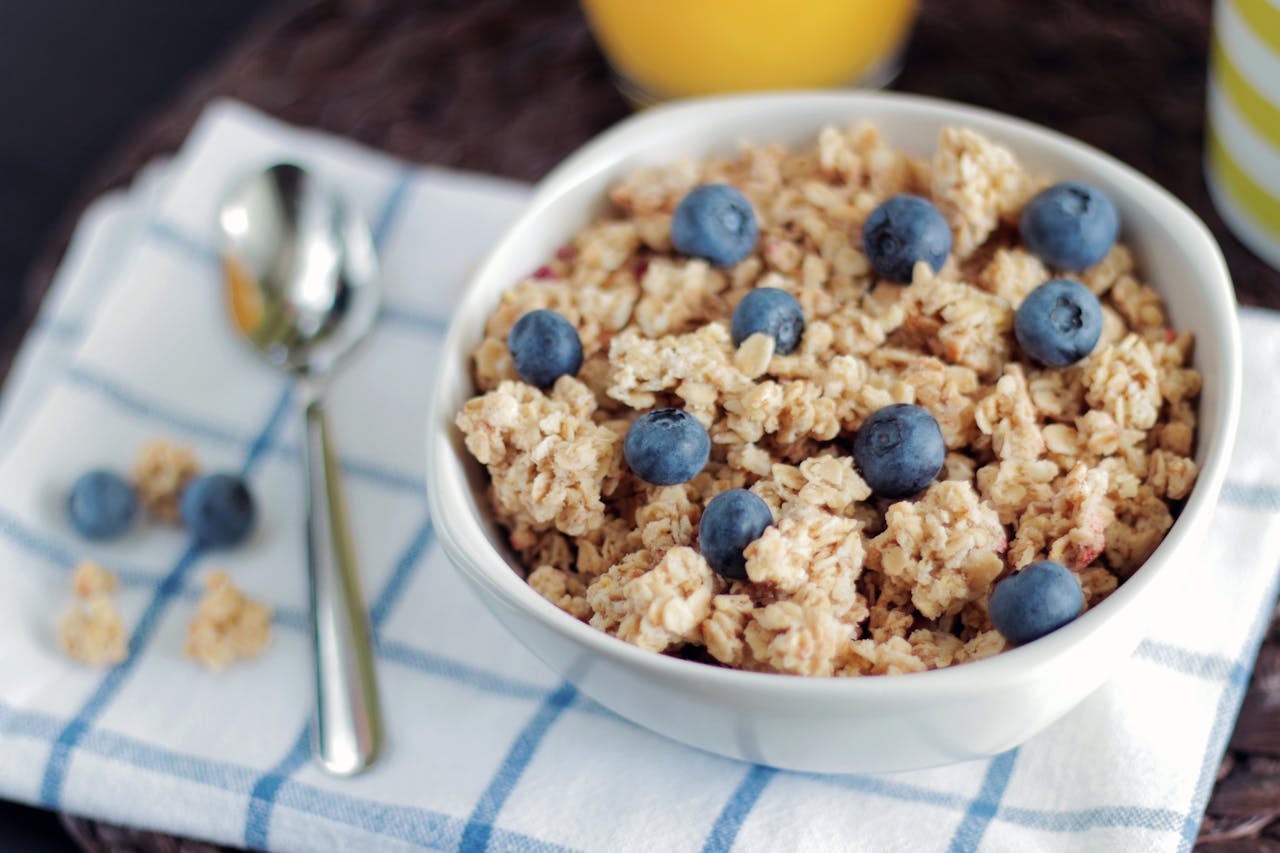
protein A well-rounded diet begins with variety. Whole foods provide the essential nutrients your body and brain need. Vegetables, fruits, lean proteins, whole grains, and healthy fats should fill your plate. Each food group contributes unique vitamins and minerals that support energy, immune function, and cognitive performance. Limiting processed foods allows your body to absorb nutrients more efficiently.

Prioritize Protein for Muscle and Brain Function

Protein is essential not only for building muscles but also for brain function. It supplies amino acids, which help create neurotransmitters like serotonin and dopamine. Sources like eggs, fish, lean meat, legumes, and dairy can help maintain muscle mass while supporting mental clarity. Including protein in every meal ensures sustained energy and reduces cravings.

Focus on Healthy Fats

Not all fats are harmful. Healthy fats such as those in avocados, nuts, seeds, and fatty fish help protect the heart and support brain health. Omega-3 fatty acids, in particular, are linked to improved memory and reduced inflammation. Including moderate amounts of these fats daily contributes to both physical and mental well-being.

Stay Hydrated

Water is often overlooked in discussions about nutrition. Proper hydration supports digestion, circulation, and temperature regulation. Even mild dehydration can impair concentration and physical performance. Drinking water consistently throughout the day and supplementing with electrolyte-rich drinks after intense workouts helps keep your body functioning optimally.

Balance Carbohydrates Wisely

oats

Carbohydrates are a primary energy source. Choosing complex carbs like oats, quinoa, and sweet potatoes ensures steady blood sugar levels. Simple sugars, found in candies and pastries, can lead to energy spikes and crashes. Balancing carbohydrate intake with protein and fats can help maintain focus, stamina, and overall metabolic health.

Incorporate Micronutrients for Mental Clarity

Vitamins and minerals are crucial for brain function. B vitamins support energy production and neurotransmitter synthesis. Magnesium and zinc influence mood regulation. Antioxidants from colorful fruits and vegetables combat oxidative stress and inflammation. Ensuring a micronutrient-rich diet supports both cognitive function and physical endurance.

Mind Your Meal Timing

When you eat can be as important as what you eat. Regular meals prevent extreme hunger and energy dips. Starting the day with a nutrient-dense breakfast helps jumpstart metabolism. Eating smaller, balanced meals every three to four hours keeps energy stable. Avoiding large, late-night meals can improve sleep quality, which in turn supports mental and physical recovery.

Practice Mindful Eating

eating

Mindful eating connects you with your body’s needs. Slow, attentive meals help prevent overeating and encourage better digestion. Paying attention to hunger and fullness cues allows you to make healthier food choices. Enjoying your food without distractions, such as screens, also promotes a positive relationship with eating and reinforces nutritional habits that support long-term wellness.

Optimal health relies on a combination of proper nutrition, hydration, and mindful habits. A diet rich in whole foods, protein, healthy fats, and complex carbohydrates supports both physical performance and mental clarity. Incorporating essential vitamins and minerals, timing meals effectively, and practicing mindful eating enhance overall well-being. By focusing on these strategies, you provide your body and mind with the fuel they need to perform at their best. Nutrition is not about restriction. It is about giving yourself the tools to thrive, ensuring that every meal contributes to energy, focus, and longevity.

Full-Mouth Restoration: What You Need to Know Before Starting Treatment

smiling

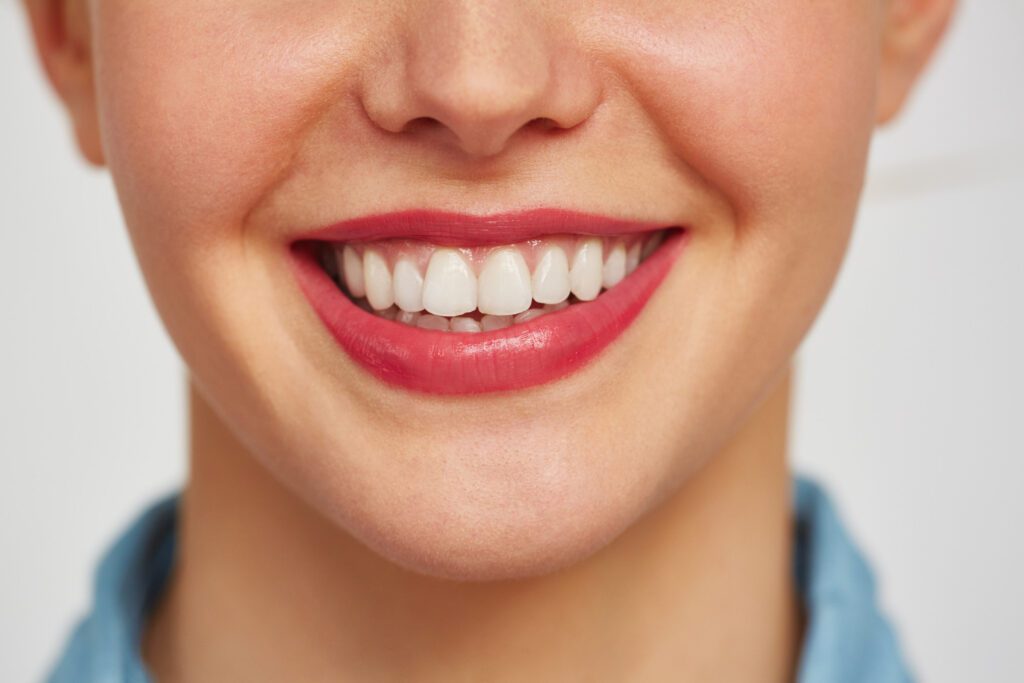
Full-mouth restoration can sound intimidating, but for many people, it’s a life-changing solution that restores function, health, and confidence. Whether you’re dealing with severe tooth decay, damage, or other dental issues, understanding the process and what to expect can make the journey much smoother. If you’re considering this comprehensive dental procedure, here’s a straightforward guide to help you prepare.

Understanding Full-Mouth Restoration

mouth Full-mouth restoration isn’t just one treatment—it’s a combination of procedures tailored to rebuild or replace all of the teeth in your mouth. This may include crowns, bridges, implants, veneers, and sometimes even orthodontics. The goal is to restore your teeth’s function and appearance while improving your overall oral health. When seeking help, it’s important to find a trusted local business with experience in comprehensive dental care, as they can provide a personalized plan that suits your needs.

Who Is a Good Candidate?

Not everyone needs or qualifies for full-mouth restoration. Typically, candidates are people with extensive dental damage, severe tooth wear, or missing teeth that affect chewing, speech, or self-esteem. Your dentist will evaluate your oral health, bone structure, and medical history to determine if this treatment is right for you. Good candidates usually have healthy gums or manageable gum disease, as gum health is critical for successful restoration.

The Treatment Process: What to Expect

The full-mouth restoration process often begins with a thorough examination, including X-rays and sometimes 3D imaging. Your dentist will then create a detailed treatment plan. The actual work might be done in stages, starting with addressing any infections or gum issues, followed by tooth extractions if necessary, and then placing implants or fitting crowns. Because this is a complex treatment, it can take several months from start to finish, including healing time between procedures.

Benefits Beyond Aesthetics

biting

While a restored smile is often the most noticeable benefit, full-mouth restoration offers much more. It improves your ability to chew and speak properly, reduces pain caused by damaged teeth or bite issues, and prevents further oral health problems. Many patients also report a boost in confidence and overall quality of life once their restoration is complete. It’s truly a holistic approach to dental care that impacts both health and happiness.

Costs and Insurance Considerations

Full-mouth restoration can be costly due to the extensive work involved, and costs vary based on the procedures used and the complexity of your case. It’s essential to discuss fees upfront and check if your dental insurance covers any part of the treatment. Some clinics offer payment plans or financing options to help make the process more affordable. Consulting with a reputable local business can provide clearer information about your options and help you budget effectively.

Starting a full-mouth restoration is a big decision, but with the right information and professional guidance, it can be a rewarding one. Knowing what the treatment involves, who qualifies, and what benefits to expect will help you feel confident moving forward. Remember, choosing an experienced dental team and having realistic expectations are key to a successful restoration that brings you a healthy, beautiful smile for years to come.

Helping Someone With Incontinence? Here’s When It’s Time to Call in the Pro

elder

Some things in life are private by nature. Incontinence is one of them. But behind closed doors, there’s a very real emotional toll. In these moments, being present is good, but recognizing the need for outside help is even better. That’s why understanding the signs is key to truly supporting someone living with incontinence. Not every issue can be fixed with a pep talk and extra absorbent pads. Sometimes, what looks like moodiness or withdrawal is actually a cry for help buried under shame or fatigue. And let’s be honest. This stuff can wear a person down.

Signs They’re Struggling More Than They Let On

resting People rarely say, “Hey, I think I need professional support.” Instead, it shows in small shifts. A person who used to enjoy outings now avoids them. They stop exercising. They become snappy or withdrawn. Maybe their hygiene slips, not out of laziness, but fear. No one wants an accident in public. These changes aren’t random; they’re red flags. You might also notice physical signs. Skin irritation that doesn’t clear up. Unexplained aches. Trouble sleeping. These aren’t just nuisances. They could indicate untreated infections or the strain of poor coping methods.



Mental Health Matters Too

Incontinence messes with more than just the bladder. It hits self-esteem hard. Imagine the stress of constantly planning your day around the nearest bathroom or fearing you’ll leak at work. It’s exhausting. And for some, it leads to depression or anxiety. If someone you care about seems “off” emotionally, don’t chalk it up to age or stubbornness. Depression doesn’t always show up as sadness. It can look like silence, irritability, or apathy. A therapist who understands medical challenges can work wonders here.

When Home Remedies Just Aren’t Cutting It

Some folks try every trick in the book, fluid restriction, diet changes, and herbal teas. But if nothing’s working and accidents are still happening daily, it’s time to stop guessing. A specialist can assess what’s really going on. Maybe the incontinence is related to another health issue that’s been missed. Or maybe they need assistive products that actually work for their body, not just the ones advertised on TV. Ignoring ongoing symptoms isn’t brave. It’s risky.

Supporting Without Overstepping

assisting

No one wants to feel like they’re being micromanaged. If you’re worried about someone, bring it up gently. “I noticed you’ve seemed stressed lately, do you think a doctor might have some ideas to help?” You’re not forcing them; you’re planting a seed. Avoid anything that sounds like blame. Instead, focus on comfort, autonomy, and confidence.

Caregivers Need Backup Too

If you’re the one helping day to day, don’t wait until you’re running on fumes to ask for help. Managing incontinence can be physically and emotionally draining. A nurse, physical therapist, or counselor can lighten the load, not just for the person you care for, but for you, too. Your well-being counts.

No Shame in Asking for Help

Needing professional input isn’t a failure. It’s a smart step forward. The goal isn’t perfection, it’s dignity, health, and peace of mind. With the right support, life with incontinence doesn’t have to feel so isolating. Sometimes the bravest thing someone can do is ask for a hand.

From Heart to Bones: How Sports Strengthen a Child’s Growing Body

kid

Childhood isn’t just about crayons and cartoons—it’s a time when the body builds its foundation for life. Every kick, tumble, and cartwheel is more than play; it’s a blueprint for strong bones, a healthy heart, and muscles that know how to move. While adults chase gym memberships, kids get the same benefits by simply chasing each other at recess. Sports offer the perfect mix of challenge, movement, and laughter that growing bodies crave. The beauty is, children don’t need to understand anatomy to strengthen it—they just need space, encouragement, and time to play. Let’s break down how these moments of motion quietly shape them from the inside out.

Movements Build a Resilient Heart

When kids run, jump, and chase a ball, as depicted here at https://nextclues.com/, they’re doing more than having fun—they’re exercising their hearts. A healthy cardiovascular system in childhood lays a strong foundation for life. Just 30 minutes of play a day can help reduce the chance of heart-related issues down the road. Coaches might focus on scores, but parents should see movement as medicine. Unlike screen time, which slows everything down, sports get the blood pumping. That steady rhythm of physical effort helps keep young hearts strong and ready for anything.

Strong Bones Don’t Just Happen

run

Think of bones like bank accounts. The more deposits made in youth, the better the balance later. Sports that involve impact—running, jumping, or kicking—signal the body to build stronger bone tissue. That’s why doctors often recommend activities like soccer or basketball for growing kids. Sitting still all day won’t do that job. And while milk helps, movement seals the deal.

Muscles Need Play, Not Just Protein

A child doesn’t need a gym to build muscle—they need space, encouragement, and maybe a skipping rope. Throwing, climbing, or swimming helps muscles learn how to stretch, contract, and carry weight. This physical learning improves coordination and boosts confidence. Muscles also protect bones and joints, reducing injury. A strong body makes daily life easier—carrying school bags, climbing stairs, or standing in line. Kids don’t realize they’re training; they just know they’re having fun.

Balance and Flexibility Are the Secret Sauce

tennis

Children who engage in regular sports often have better balance and body awareness. That might not seem like a big deal until you watch a child avoid a fall on a slippery floor. Flexibility gained through sports keeps joints loose and ligaments healthy. This becomes important during growth spurts when the body feels awkward. Simple games like tag or stretching in martial arts offer more benefits than most people notice. Better posture, fewer aches, and a smoother way of moving all come from staying active.

Kids don’t need fancy gear or complicated drills to grow strong. They need movement, encouragement, and a bit of organized chaos. Sports offer all of that in spades. From the thump of a basketball to the spin of a cartwheel, each action shapes the body. The process might look like play, but the results are serious. In the end, strong hearts, sturdy bones, and confident steps are built in childhood—on fields, courts, and sidewalks.

Exercises That Complement the Use of Walkers, Canes, or Rollators

walker

Mobility aids such as walkers, canes, and rollators offer vital support. They help people maintain independence and reduce fall risks. But using these tools doesn’t mean giving up on exercise. In fact, regular movement is essential to build strength, improve balance, and boost confidence. The right exercises can complement mobility aids, helping users stay active and capable for longer. It’s not about intense workouts. It’s about thoughtful, focused movement. For anyone starting this journey, this guide to independence tools is worth checking out.

Strength Training

Weak muscles can make mobility harder. Strength training helps support the body, making walking and standing easier. Even small gains in leg, hip, and core strength can make a big difference. Stronger muscles mean better control and more endurance when using a walker or cane. Basic exercises like seated leg lifts, gentle squats using a sturdy chair for support, or light resistance band work can support this goal. These movements help the body handle daily tasks with less strain.

Balance and Coordination

rollator

Balance exercises are important for anyone using a mobility device. They train the body to adjust and stay steady. Practicing balance, even for a few minutes a day, can reduce the chances of falling. Simple activities like standing on one foot, heel-to-toe walking along a hallway, or shifting weight from side to side can build stability. These movements may seem small, but over time, they help improve control while using a walker or rollator. If needed, these exercises can be done near a wall or countertop for safety.

Gentle Flexibility Work

Mobility aids support movement, but stiff joints can limit how well a person uses them. Flexibility exercises help maintain a healthy range of motion. Stretching the legs, arms, and back reduces tension and makes everyday motions smoother. Gentle seated stretches or slow movements such as shoulder rolls and ankle circles, work well. These exercises don’t need to be complicated. The goal is to keep the body loose and responsive.

Core Strength and Stability

cane

The core muscles, those in the stomach, lower back, and pelvis, play a central role in posture and balance. A strong core helps people use walkers or canes with more control. Exercises like seated knee lifts, slow torso twists, or even deep belly breathing can activate these muscles. Core strength supports better coordination and reduces the chance of overuse injuries. It also helps ensure the body stays upright and balanced during movement.

Endurance and Daily Activity

Stamina matters when moving through the day. Walking a short distance, doing chores, or going shopping all require energy. Exercises that build endurance, like walking indoors, climbing a few stairs, or moving in place, can improve overall function. These activities increase heart rate slightly and train the body to handle longer periods of motion. Over time, people can do more without feeling exhausted. The key is to start slow and increase duration at a pace that feels safe.

Many exercises can be done while using the mobility aid itself. A rollator can be used for support during standing leg movements. A cane can help with balance during side steps. A walker offers security during standing stretches or slow walking drills. These tools are part of the workout, not something to set aside. Using them during exercise helps build confidence. It reinforces proper posture and trains the body to move efficiently with the device.

Mindfulness vs Self-Awareness Explained Without the Buzzwords

think

You’ve probably heard both terms thrown around like fitness fads, breathe deeply here, check your thoughts there, sip your tea slower. But when you’re knee-deep in mental clutter, which one actually helps? That’s where things get fuzzy. Let’s unpack mindfulness vs. self-awareness explained in plain terms, without needing a PhD in meditation.

Mindfulness Is the Brake Pedal for a Spinning Brain

Picture this. You’re washing dishes, but your brain’s writing a grocery list, rehashing yesterday’s awkward conversation, and wondering if your phone’s still charging. That’s not multitasking—it’s mental spaghetti. Mindfulness slows the spin. It’s the simple act of focusing on what’s happening now. Just that. No editing. No judgment. Just noticing. Like listening to background noise without turning the volume up. A quiet three minutes in the car before picking up your kid counts. So does noticing how your coffee tastes instead of chugging it like a dare.

Self-Awareness Is Looking in the Mirror Without Blinking

shard mirror

Now, self-awareness takes it deeper. It’s noticing why you’re irritated at 9am on a Monday—again. It’s realizing you say yes too much and then silently fume. It’s tracing the dot-to-dot of your emotions, habits, and triggers. And yes, it can be slightly uncomfortable. Like realizing your jokes at dinner weren’t that funny but more of a defense mechanism. Yikes. Still, that understanding is gold. Because until you catch yourself in the act, the patterns run on autopilot.

Trying to Grow Without Either Feels Like Lifting a Couch With One Arm

You can absolutely practice mindfulness and feel calmer. You’ll sleep better, react slower, and maybe stop biting your nails. But without self-awareness, you won’t catch the loop you’re stuck in. You’ll breathe deeply through your frustration without figuring out it’s caused by overcommitting in the first place. Flip it. Self-awareness without mindfulness means knowing your triggers, but still reacting like a firecracker. Because in that split second, you’re not grounded. You’re just reacting. Think of it like brushing your teeth in front of a mirror. Mindfulness is the brushing—present, active. Self-awareness is what the mirror reflects back.

Don’t Overthink It. Start Small and Stay Honest

chilling

People make this more complicated than it has to be. You don’t need a guided journal and mood-tracking app on day one. Here’s a simpler way: Pause once a day. That’s it. Notice what’s happening in your body. Then ask yourself what’s been looping in your head. Write it down if that helps. Or talk it out during your commute. That’s already doing the work. Even five minutes of that practice can lead to a tiny shift. And sometimes, that tiny shift? It’s enough to change the whole tone of your day.

Mental growth doesn’t look like fireworks. Most days, it’s small and quiet. A breath instead of a snarky reply. A second thought before snapping. Noticing when you need a break, and actually taking it. Mindfulness and self-awareness won’t solve everything. But they’ll make the mental noise less loud.

Function Meets Fit: How to Choose the Right Scrub Pants for Your Workday

If you work in healthcare, you already know that your scrubs need to do more than just meet the dress code. They’ve got to move with you, breathe with you, and still look halfway decent after a 12-hour shift and three coffee runs. But when it comes to finding scrub pants that fit your lifestyle, it’s not always easy. Some ride up, some fall, and some just don’t hold up past the first wash. So how do you find that magical pair that blends comfort, performance, and fit? Let’s break it down.

Fabric That Moves and Lasts

Let’s be honest—your scrub pants need to feel great, hold up through dozens of washes, and flex when you do. So, if you’re wondering what to look for in high-quality scrub bottoms, it comes down to the fabric blend. Look for materials that include a bit of spandex for stretch, polyester for durability, and something breathable like cotton or rayon for all-day comfort. A good pair should move with you from pre-rounds to clock-out, without sagging, itching, or clinging in the wrong places. The fabric should feel soft against your skin but strong enough to handle the grind of daily shifts.

Fit That Works With You

Scrub pants should never be a distraction. The right fit is about balance—snug enough to stay put, loose enough to let you move freely. If you’re constantly adjusting your waistband or feeling restricted around the knees, it’s time to switch things up. Jogger styles, cargo fits, and modern straight legs are all popular for a reason—they combine mobility with a flattering shape. Pay attention to the rise and waistband style too. A comfy elastic band or drawstring can make a world of difference during 10 hours on your feet.

Pockets That Pull Their Weight

If you’ve ever worked a shift with zero pockets, you know the struggle. Scrub pants with well-placed, roomy pockets can change your whole day. Think beyond the basic hip pockets—side cargo pockets, zippered sections, or even hidden inner compartments are game-changers when it comes to carrying your essentials. You’ll need spots for pens, trauma shears, phones, alcohol wipes, and maybe even a granola bar—because you never know when your next break is.

Durability That Doesn’t Quit

Let’s be real—scrubs don’t get treated gently. You’re washing them often, putting them through long shifts, and they still need to look sharp. High-quality scrub pants should hold their color, resist pilling, and survive an accidental snag without falling apart. Reinforced seams, fade-resistant dyes, and shrink-resistant materials aren’t just perks—they’re essentials. Investing in durable scrub pants saves you time, money, and frustration in the long run.

Small Details, Big Difference

Little design details can elevate a pair of scrub pants from average to awesome. Whether it’s a side slit for better movement, an elastic cuff for a sleek finish, or a wide waistband that doesn’t roll, these things matter. Pay attention to how your scrub pants are cut and finished. Do they let you move freely? Do they stay in place when you squat or lean over? These are the subtle things that make a big difference during a hectic workday. At the end of the day, the best scrub pants are the ones you don’t have to think about once you’re wearing them. They fit right, feel good, and keep up with whatever your shift throws at you. Whether you’re restocking supplies, running between rooms, or finally sitting for a five-minute break, your pants should support you every step of the way. With the right fit, fabric, and features, your scrub pants can go from just another part of your uniform to a true workday essential.

The Connection Between Wellness and Weight Loss

weight loss

Many people approach weight loss with a narrow focus on numbers—pounds, calories, or minutes spent exercising. But lasting, healthy weight loss is more than a math equation. It’s rooted in overall wellness, a holistic approach that considers the mind, body, and lifestyle. When you prioritize wellness and find a complete guide to fitness and weight loss, losing weight often becomes a natural result, not just the end goal. Understanding how these two areas are connected can help you create sustainable changes that improve both your physical health and quality of life.

The Concept of Wellness Beyond the Scale

scale

Wellness is about balance, not restriction. It includes mental clarity, emotional resilience, physical vitality, and social fulfillment. When these areas are in harmony, you’re more likely to make choices that support a healthy weight. Sleep quality, stress management, and even your relationships can influence eating habits and physical activity. When people focus solely on dieting or exercise without addressing these wellness pillars, they often fall into unsustainable patterns.

Mindfulness and Eating Behaviors

Mindfulness—being present and aware—can transform how you approach food. Many people eat on autopilot, distracted or driven by emotions rather than hunger. Practicing mindfulness helps you tune into your body’s signals, making it easier to avoid overeating or unhealthy food choices. Wellness-focused weight loss encourages slower eating, enjoying meals without guilt, and recognizing true hunger cues. Over time, these habits lead to more thoughtful eating and gradual, maintainable weight loss.

Stress and Its Effect on the Body

craving

Stress is a major but often underestimated factor in weight gain and difficulty losing weight. High levels of cortisol, the body’s stress hormone, can lead to increased appetite and cravings—particularly for sugary or fatty foods. Chronic stress can also disrupt sleep, which further affects hormones that regulate hunger and metabolism. By incorporating wellness strategies like yoga, deep breathing, or even regular leisure time into your routine, you help your body manage stress more effectively. The result is often better weight control and a stronger sense of overall well-being.

The Importance of Sleep for Metabolism

Sleep is frequently overlooked in weight loss discussions, but it plays a critical role. Poor sleep interferes with leptin and ghrelin hormones, which control hunger and satiety. Lack of rest can also reduce motivation to exercise and increase emotional eating. By focusing on wellness and establishing a healthy sleep schedule, you support your metabolism and give your body the recovery it needs to stay active and manage weight more effectively.

Movement as a Form of Self-Care

move

Exercise should be seen as self-care, not punishment. A wellness-centered approach to physical activity includes finding joy in movement—whether that’s dancing, hiking, swimming, or yoga. When fitness is framed as something that enhances your life rather than something you “have to do,” you’re more likely to stay consistent. Movement becomes a daily habit that improves mood, boosts energy, and supports a healthy weight naturally.

Weight loss isn’t just about what you eat or how often you hit the gym. It’s deeply intertwined with your overall wellness. By nurturing your mental, emotional, and physical health, you lay the groundwork for sustainable, positive changes. When you shift your focus from just shedding pounds to feeling better and living more fully, weight loss becomes part of a larger, more meaningful journey.

Navigating the Aftermath: The Link Between Hip Replacement and Sleep Issues

Undergoing a hip replacement can feel like emerging from a long, challenging journey into newfound freedom—until you realize that restful nights remain elusive. If you’ve recently traded in your worn-out joint for a shiny new implant, you may find yourself tossing and turning instead of enjoying a peaceful slumber. But why does this happen? In this blog post, we’ll explore the surprising connection between hip replacement surgery and sleep disturbances, shedding light on the factors at play. From pain management to recovery challenges, we’ll guide you through understanding these issues and discovering strategies to reclaim those precious hours of rest. Join us as we navigate this complex terrain together.

Why Sleep Gets Messed Up After Surgery

Right after hip surgery, your body is busy healing—a process that takes energy, and sometimes pain. Both of these can throw a wrench in your ability to fall asleep and stay asleep. Pain is an obvious culprit. Even with medications, soreness and discomfort might keep you awake or wake you up multiple times during the night. Then there’s the fact that your usual sleep positions might be off-limits because of surgical restrictions. If you’re used to sleeping on your side or stomach, suddenly being told to lie flat on your back or avoid certain movements can feel super frustrating. Add in hospital routines—lights, noises, nurses checking on you—and it’s no wonder sleep feels impossible in the days right after surgery. Even after you get home, all these changes can linger, turning into a quiet epidemic of sleep problems that impact your mood, energy, and healing.

Tips to Help You Sleep Better After Hip Replacement

The good news? There are plenty of things you can do to improve your sleep, even if your body is still recovering. First, managing pain well is key. Talk with your doctor about your pain levels and whether your medication schedule needs adjusting. Sometimes, timing your meds right before bed can make a huge difference. Second, create a comfy sleep environment. Use pillows to support your hip and keep it in a safe position while you sleep. A wedge pillow or body pillow can help you stay comfortable without putting strain on your new hip. Try to keep a consistent bedtime routine. Even if you’re not feeling tired, try to go to bed and wake up at the same time each day. Avoid screens and caffeine close to bedtime, and do something relaxing like reading or listening to calming music. If you’re struggling with anxiety or racing thoughts about your recovery, mindfulness exercises or deep breathing can help calm your mind before sleep. You may be surprised that dressing comfortably after hip replacement can also lead to better sleep.

Why Good Sleep Matters for Recovery

Sleep isn’t just about feeling rested. It’s a key player in healing. When you get quality sleep, your body releases growth hormones that repair tissues, reduce inflammation, and boost your immune system. Poor sleep, on the other hand, can slow down healing, increase pain sensitivity, and even affect your mental health. So those restless nights don’t just make you cranky—they can make your recovery take longer or feel tougher than it needs to. That’s why addressing sleep disorders after hip surgery should be part of your recovery game plan.

When to Ask for Help

Sometimes, sleep problems after surgery don’t go away on their own. If you’re still having trouble sleeping weeks or months after your hip replacement, or if you feel excessively sleepy during the day, it might be time to talk to your healthcare provider. They can help figure out if something else—like sleep apnea or medication side effects—is at play and recommend treatments or specialists. Recovering from hip replacement surgery is a big adjustment, and sleep troubles are a surprisingly common part of the journey. But with a little patience and the right strategies, you can tackle those restless nights and give your body the rest it needs to heal well. If you’ve had hip surgery and dealt with sleep struggles, what helped you? Share your tips or questions below—let’s support each other through recovery, one good night’s sleep at a time.


Postpartum Fitness: How the Right Personal Trainer in Warsaw Can Help New Moms

postpartum

Becoming a mom is one of life’s most beautiful transformations, but it can also leave you feeling like your body has been through the wringer. If you’re in Warsaw and looking to reclaim your strength while caring for your little one, finding the right trener personalny warszawa can make all the difference.

After pregnancy, every step toward fitness is a journey filled with new joys and challenges. Let’s explore some safe exercises tailored for new moms and how you can rebuild your strength effectively, because taking care of yourself benefits both you and your baby!

Creating Safe Exercises for New Moms

Starting your fitness journey as a new mom can feel daunting. The key is to focus on safe exercises that honor your body’s recent changes. Walking is a fantastic low-impact option. It helps improve cardiovascular health and gives you an opportunity to bond with your baby in a stroller or carrier. Gentle stretching can also work wonders. Incorporating yoga poses like Cat-Cow and Child’s Pose helps release tension while improving flexibility. Consider doing core-strengthening moves such as pelvic tilts and modified planks. These exercises support recovery without straining your body too soon.

Rebuilding Core Strength After Pregnancy

Rebuilding core strength after pregnancy is essential for new moms. The body goes through significant changes, and regaining stability can take time. Start slow with gentle exercises that focus on engaging the deep abdominal muscles. Breathwork is a fantastic first step. It helps connect your mind to your body while gently activating those neglected areas. Consider incorporating pelvic tilts or bridging exercises as you progress. As you feel more comfortable, introduce modified planks or side-lying leg lifts. These movements strengthen not just the abs but also support proper posture during daily activities like lifting your baby.

core strength

Managing Energy Levels While Caring for a Baby

Caring for a newborn is both joyful and exhausting. Sleep deprivation can quickly drain your energy levels, making everyday tasks feel overwhelming. To combat this fatigue, prioritize self-care whenever possible. A few minutes of deep breathing or gentle stretching can work wonders in recharging your batteries. Short breaks throughout the day allow you to reset and refocus. Nutrition plays a crucial role as well. Opt for healthy snacks like fruits, nuts, or yogurt that provide sustained energy without the crash associated with sugary treats. Hydration is equally essential; water should be your go-to drink.

Helping With Pelvic Floor Recovery Techniques

After childbirth, the muscles in this area can weaken significantly. This can lead to discomfort and even incontinence. One effective technique is Kegel exercises. These gentle contractions help strengthen the pelvic muscles over time. You can do them anywhere, whether you’re at home or out running errands. Another approach is using resistance tools like a pelvic floor trainer. These devices provide biofeedback, allowing you to engage the right muscles effectively. Breathing exercises also play a crucial role. Deep diaphragmatic breathing helps relax and strengthen these muscles simultaneously.

Finding the right personal trainer in Warsaw can be a transformative experience for new moms navigating postpartum fitness. They can provide encouragement and accountability, helping you stay motivated during those early months of motherhood when time is limited. Empower yourself by prioritizing fitness as part of self-care.

Qualities of an Experienced Pediatrician

Paediatrician

A pediatrician is trained to help children, infants, and adolescents get healthy by taking them of the sick children. They work by prescribing medications, ordering tests, referring patients to other specialists, treating injuries, and performing physical assessments when necessary. They also provide preventive care as well as advising parents/guardians about the common health issues affecting young children.

Parents are advised to work with experienced pediatricians such as lynk pediatrics. This is the best way of guaranteeing the health of their children.  You can contact these professionals on their official website. The following are the top qualities of reliable pediatricians:

Treatment and Diagnosis

paediatrician-hospital

When children exhibit signs of illnesses, the pediatrician should be capable of determining the cause of those illnesses. She/he should be intelligent, level-headed, resourceful, observant, and persistent when treating and diagnosing illnesses and injuries. Observant professionals can easily notice subtle changes in the condition of a patient and act accordingly.


Persistence and intelligence can help them in solving complex diagnostic problems. Level-headed pediatrician can react quickly and provide correct treatment if a kid has an emergency. Being resourceful can help a professional in using the available tools to gather information.

Basic Physician Qualities

These professionals should possess the basic personalities as the other types of healthcare professionals. Ideally, they should be discreet, honest and demonstrate confidentiality. They should be very honest when advising the family members or parents about the risk of certain medical procedures. Being discreet can help them in handling protected information. As an experienced pediatrician, you should make important decisions independently.

Management and Supervision

paediatrician inspecting a baby

These professional have supervisory responsibilities in private practices and hospitals. Once the patient is admitted to a hospital, the pediatrician is supposed to order the necessary tests, procedures, and medications. They should have patience when explaining these procedures and orders to other healthcare professional; including nurses.

Pediatricians who run their clinics have different management responsibilities. Private practice owners should be detail-oriented, orderly, decisive and efficient to balance the patients care responsibilities. The key responsibilities of private practice owners include supervising and hiring staff members, developing practice policies and making sound financial decisions.

Accommodating

Does the doctor return calls? How do the parents and children feel when they into the doctor’s office? An experienced Paediatrician should go beyond her/his duties of being a professional healthcare provider. Prompt, good communication, an inviting atmosphere and courteous, friendly staff indicate that the doctor’s office is a positive one. Ideally, you should hire someone who can be trusted with your children’s health.

Why You Should Buy Carrageenan Online

typing on laptop

Carrageenan is obtained from red seaweed. To obtain carrageenan in powder form which is the most preferred form of use. To use it you will make some procedures for getting the final product. The seaweed is obtained from water and then left to dry up before any process can begin. After that, the seaweed is crushed and later washed to get rid of impurities or sand. After this, the carrageenan can also be put through an alkaline solution to treat it. It is later heated to remove water that may be present. The remaining product is later sifted to powder form of various kinds.

Carrageenan has been used for a long time for various purposes. One it has been known to be used as a stabilizing agent and also in food thickening. On the same note, carrageenan has been used in the baby formula for a long time and this as proof that it is a safe product if it can be taken by infants. You may be wondering you could obtain the best carrageenan. In the current market, we recommend you purchase your carrageenan powder online. Buying it online will benefit you in many ways. In this article, we explain why you should consider buying carrageenan online.

You will get a good quality

Carrageenan can be found at the local outlets, but it may not be of the same quality as that which you buy algae online. Online sellers are more reliable in the quality of carrageenan they sell. Since they are found on a website if they don’t sell good quality o carrageenan, they will be rated poorly, and this will affect their business significantly. For this reason, they ensure that they sell quality carrageenan to their customers to ensure they maintain and also attract new customers.

You will find better prices

carrageenan It is also advisable you buy your carrageenan online because you will find relatively lower prices than the ones you will find in your local outlet. A local seller may be a monopoly hence will take advantage of these and will sell it at a high price. However buying online will expose you to may sellers of carrageenan and you will compare the prices before you decide to buy from a particular buyer. You will also be able to choose a price which will suit your budget.


Access to variety

Carrageenan powder can be found in various types which may not be available in your shop. Buying it online will give you the benefit of choosing the best type that will suit you rather than sticking to what is provided locally.


Simple Stuff to Improve Your Health

meds

Often as a working adult, we use to ignore the importance of our health, especially when we’re busy juggling our working life with our social life. Sometimes we might be doing some simple stuff that is bad for our health, such as the way we sit or the way our diet works. Thinking to fix yourself? Then you’ve come to the right post. In this article, we’re going to list some simple stuff that can improve your health, make sure to read this article to find out more information about it.

sittingSit up straight

Some of us might not even care to sit straight, as we are oppressed to sit during working or playing games, but a crooked sitting posture might lead to soreness and bad posture, to do this either you force yourself to sit straight or buy a specialized chair to help you sit straight. If you’re thinking to go to a chiropractor consider checking out Excellent South of the River Chiropractors.

Tip: Force yourself to sit straight even when you can’t, slowly you’ll get used to it.

restSleep more

We can’t stress this more than we have to, but the truth is we have to sleep more. Adults or teenagers nowadays lack sleep and lacking sleep might lead to crankiness, obesity and saggy skin. To make things worse if you’re having troubles with acne, then there’s a chance you have to sleep more. Several studies have also proven that lack of sleep might lead to heart disease and reducing physical and mental performance.

Drink more water

Another tip that you’ve probably heard before, but drinking more water gives you more benefits. For example, if you’re on a diet, then drinking water can help your metabolism while also cutting down some weight from your body, and helps you to stay alert without the help of coffee.

Tip: If you’re not a fan of regular water, consider having infused water as you can use any fruit that you want.

sugarAvoid sugary drinks

Not just for your diet, as sugary drinks are bad for your health. They can cause tooth decaying, weight gain, diabetes and many more. Try to swap sugary drinks with healthy alternatives such as fruit juice with no processed sugar in the drink, using honey or dates which are considered as natural sugar. Instead of drinking a lot, consider reducing your sugary drink intake and focus on drinking socially with your friends and co-worker.