
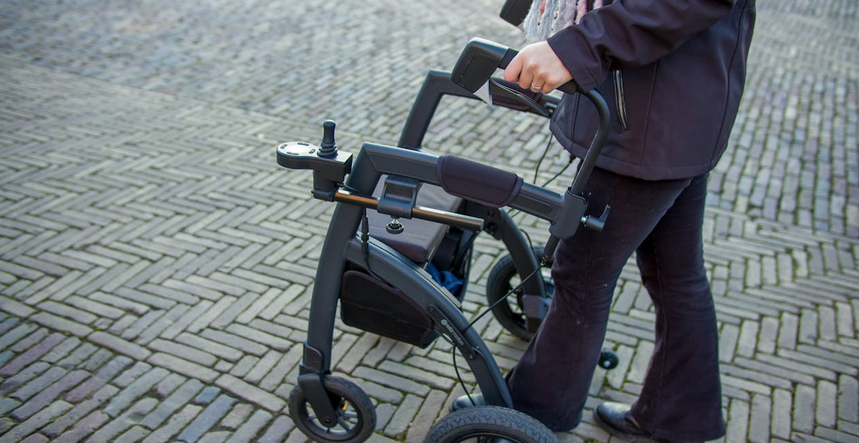
Mobility aids such as walkers, canes, and rollators offer vital support. They help people maintain independence and reduce fall risks. But using these tools doesn’t mean giving up on exercise. In fact, regular movement is essential to build strength, improve balance, and boost confidence. The right exercises can complement mobility aids, helping users stay active and capable for longer. It’s not about intense workouts. It’s about thoughtful, focused movement. For anyone starting this journey, this guide to independence tools is worth checking out.
Strength Training
Weak muscles can make mobility harder. Strength training helps support the body, making walking and standing easier. Even small gains in leg, hip, and core strength can make a big difference. Stronger muscles mean better control and more endurance when using a walker or cane. Basic exercises like seated leg lifts, gentle squats using a sturdy chair for support, or light resistance band work can support this goal. These movements help the body handle daily tasks with less strain.
Balance and Coordination
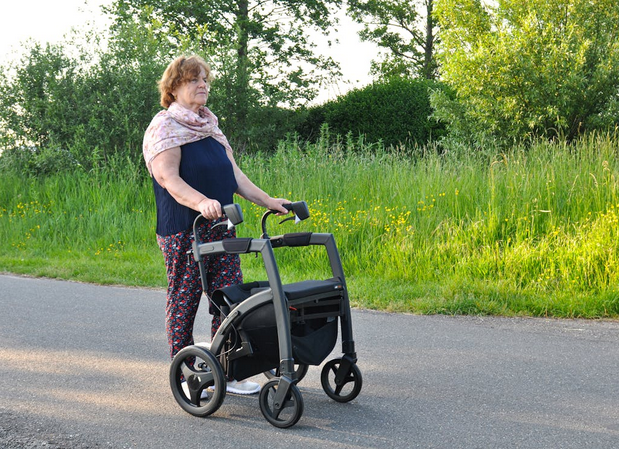
Balance exercises are important for anyone using a mobility device. They train the body to adjust and stay steady. Practicing balance, even for a few minutes a day, can reduce the chances of falling. Simple activities like standing on one foot, heel-to-toe walking along a hallway, or shifting weight from side to side can build stability. These movements may seem small, but over time, they help improve control while using a walker or rollator. If needed, these exercises can be done near a wall or countertop for safety.
Gentle Flexibility Work
Mobility aids support movement, but stiff joints can limit how well a person uses them. Flexibility exercises help maintain a healthy range of motion. Stretching the legs, arms, and back reduces tension and makes everyday motions smoother. Gentle seated stretches or slow movements such as shoulder rolls and ankle circles, work well. These exercises don’t need to be complicated. The goal is to keep the body loose and responsive.
Core Strength and Stability

The core muscles, those in the stomach, lower back, and pelvis, play a central role in posture and balance. A strong core helps people use walkers or canes with more control. Exercises like seated knee lifts, slow torso twists, or even deep belly breathing can activate these muscles. Core strength supports better coordination and reduces the chance of overuse injuries. It also helps ensure the body stays upright and balanced during movement.
Endurance and Daily Activity
Stamina matters when moving through the day. Walking a short distance, doing chores, or going shopping all require energy. Exercises that build endurance, like walking indoors, climbing a few stairs, or moving in place, can improve overall function. These activities increase heart rate slightly and train the body to handle longer periods of motion. Over time, people can do more without feeling exhausted. The key is to start slow and increase duration at a pace that feels safe.
Many exercises can be done while using the mobility aid itself. A rollator can be used for support during standing leg movements. A cane can help with balance during side steps. A walker offers security during standing stretches or slow walking drills. These tools are part of the workout, not something to set aside. Using them during exercise helps build confidence. It reinforces proper posture and trains the body to move efficiently with the device.